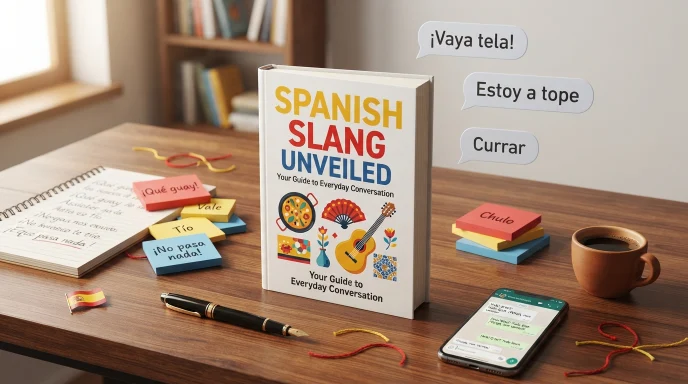
Learning Spanish from a textbook is a great start, but real conversations often sound very different. Native speakers use slang every day with friends, family, classmates, and coworkers. If you only know formal Spanish, you may understand grammar but still struggle to follow everyday conversations. That is where a Spanish slang book becomes useful.
A good Spanish slang book teaches words and expressions that people actually use in Spain, Mexico, Argentina, Colombia, and many other Spanish-speaking countries. It explains meanings, shows real examples, and helps you avoid confusing or outdated phrases.
In this guide, you’ll learn what a Spanish slang book is, why it matters, what features to look for, and how to choose the right one for your learning goals.
What Is a Spanish Slang Book?
A Spanish slang book is a learning resource that focuses on informal words, phrases, idioms, and everyday expressions instead of only formal grammar and vocabulary.
These books help learners understand how native speakers communicate in daily life. Most include pronunciation tips, cultural explanations, example conversations, and regional differences.
Unlike traditional language textbooks, slang books prepare you for real-life situations such as chatting with friends, traveling, watching movies, listening to music, or using social media.
Why Learn Spanish Slang?
Knowing slang makes your Spanish sound more natural. It also helps you understand conversations that regular textbooks rarely cover.
Some of the biggest benefits include:
- Understanding native speakers more easily
- Speaking with greater confidence
- Following TV shows and movies
- Enjoying Spanish songs and podcasts
- Reading social media posts without confusion
- Learning cultural meanings behind popular expressions
People who know slang often communicate more comfortably because they understand both the language and the culture.
What Makes a Good Spanish Slang Book?
Not every slang guide offers the same value. Some only list vocabulary, while others explain when and where each expression should be used.
A quality Spanish slang book should include:
Real-Life Examples
Example conversations help learners understand how slang fits into everyday speech.
Country-Specific Vocabulary
Spanish slang changes from one country to another. A useful book clearly labels expressions from Spain, Mexico, Colombia, Argentina, Chile, and other regions.
Pronunciation Tips
Many slang expressions sound different from standard Spanish. Pronunciation guides help learners speak naturally.
Cultural Context
Some words have different meanings depending on the situation. Cultural notes explain when an expression is friendly, humorous, or inappropriate.
Simple Explanations
Easy definitions allow beginners and intermediate learners to understand new phrases without feeling overwhelmed.
Practice Activities
Exercises, quizzes, and review sections help reinforce new vocabulary.
What Can You Learn From a Spanish Slang Book?
A complete slang guide covers much more than casual vocabulary.
Greetings
You’ll learn friendly greetings that people actually use instead of only textbook phrases.
Examples include informal ways to say hello, ask how someone is doing, or greet close friends.
Everyday Expressions
Daily conversations include short phrases that native speakers use constantly.
These expressions make conversations sound smoother and more natural.
Common Reactions
Slang books often teach expressions people use to show surprise, happiness, excitement, disappointment, or frustration.
Learning these reactions helps conversations feel more authentic.
Internet and Texting Slang
Modern communication includes abbreviations, emojis, and online expressions.
Many updated Spanish slang books explain digital language used on messaging apps and social media.
Regional Vocabulary
A word that sounds friendly in one country may be confusing or even offensive somewhere else.
Good books explain these differences clearly.
Who Should Buy a Spanish Slang Book?
Almost every Spanish learner can benefit from one.
Beginners
New learners gain exposure to everyday vocabulary early in their language journey.
Intermediate Learners
Students who already know grammar can improve speaking and listening skills with natural expressions.
Advanced Speakers
Advanced learners use slang to sound more fluent and understand native conversations more easily.
Travelers
Visitors can communicate more naturally with locals during trips.
Students
Language students improve classroom learning by understanding real-life Spanish.
Professionals
People working with Spanish-speaking clients or coworkers can communicate in a friendlier and more natural way.
Features to Compare Before Buying
Choosing the right book becomes easier when you compare its features.
| Feature | Why It Matters |
| Country coverage | Explains regional differences |
| Example dialogues | Shows natural usage |
| Pronunciation guide | Improves speaking confidence |
| Cultural notes | Prevents misunderstandings |
| Practice exercises | Reinforces learning |
| Updated vocabulary | Includes modern slang |
| Audio support | Improves listening skills |
| Beginner-friendly layout | Makes learning easier |
Spanish Slang Across Different Countries
One of the biggest challenges in learning Spanish slang is that vocabulary changes depending on the country.
Spain
Spanish spoken in Spain contains many expressions rarely heard in Latin America.
People often use informal phrases that may sound unfamiliar to learners studying Mexican Spanish.
Mexico
Mexican Spanish includes colorful slang influenced by local culture, television, and everyday life.
Many learners choose Mexican slang because of its popularity in media.
Argentina
Argentina has unique vocabulary influenced by Italian immigration and local traditions.
Its slang often sounds quite different from Spanish spoken elsewhere.
Colombia
Colombian Spanish is known for its clear pronunciation, but it also has many regional slang expressions.
Local vocabulary changes between cities and regions.
Chile
Chile is famous for using fast speech and unique slang that can challenge even advanced learners.
Understanding Chilean expressions usually requires extra practice.
Types of Spanish Slang Books
Not every Spanish slang book is designed for the same type of learner. Choosing the right format can make learning easier and more enjoyable.
Beginner Slang Books
These books introduce common informal words using simple English explanations. They focus on everyday conversations and avoid advanced vocabulary.
Travel Slang Guides
Travel guides teach useful expressions for airports, hotels, restaurants, shopping, and asking for directions. They are ideal for tourists who want to speak naturally with locals.
Country-Specific Slang Books
Some books focus on the slang of one country, such as Spain, Mexico, Argentina, or Colombia. These guides provide deeper cultural insights and region-specific vocabulary.
Illustrated Slang Books
Books with pictures, cartoons, and visual examples make learning easier, especially for beginners and younger learners.
Phrasebook Style Guides
These books organize slang by situation, making it easy to find expressions for greetings, dining, transportation, friendships, and daily conversations.
How to Learn From a Spanish Slang Book
Simply reading a slang book is not enough. Active practice helps you remember new words and use them correctly.
Read a Few Pages Every Day
Learning five to ten new expressions daily is more effective than studying dozens at once.
Practice Speaking
Say each new expression aloud several times. Repeating words improves pronunciation and confidence.
Create Example Sentences
Write your own sentences using each slang term. Personal examples are easier to remember.
Watch Native Content
After learning new slang, watch Spanish YouTube videos, TV shows, or movies to hear the expressions in real conversations.
Review Regularly
Go back to previously learned words every week to strengthen your memory.
Common Topics Found in Spanish Slang Books
Most quality books organize slang into practical categories.
Greetings and Introductions
Friendly ways to say hello, goodbye, and ask how someone is doing.
Friendship
Expressions used between close friends and family members.
School and College
Common words students use in classrooms and on campus.
Food and Restaurants
Informal vocabulary related to eating, ordering food, and talking about meals.
Travel
Useful slang for buses, taxis, airports, hotels, and sightseeing.
Work
Everyday office conversations and informal workplace expressions.
Sports
Popular slang used while watching or playing sports.
Social Media
Modern internet expressions, texting abbreviations, and online conversations.
Mistakes to Avoid When Learning Spanish Slang
Many learners become excited about slang but make avoidable mistakes.
Using Slang Everywhere
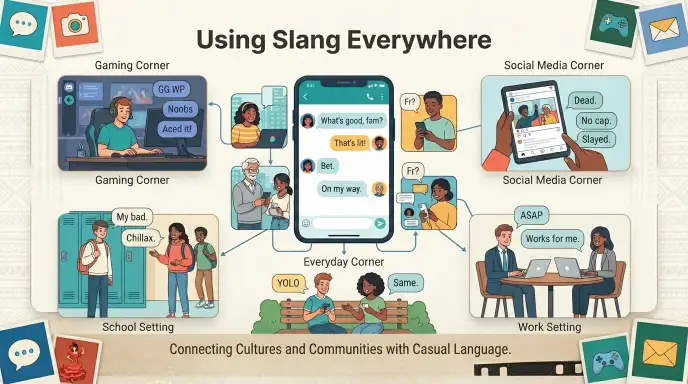
Slang is best for casual conversations. Formal meetings, business emails, and academic writing usually require standard Spanish.
Ignoring Regional Differences
A phrase that sounds normal in one country may confuse people in another.
Learning Old Expressions
Language changes over time. Choose books that include modern vocabulary instead of outdated phrases.
Memorizing Without Practice
Reading lists of words is less effective than using them in conversations and writing exercises.
Forgetting Grammar
Slang improves communication, but grammar remains important for clear and correct Spanish.
Tips for Choosing the Right Spanish Slang Book
Selecting the best book depends on your goals.
- Choose a recently published edition.
- Look for books with real conversation examples.
- Pick guides that explain cultural differences.
- Select books with pronunciation help.
- Read reviews before buying.
- Make sure the vocabulary matches your Spanish level.
- Choose books with exercises if you enjoy self-study.
- Prefer books that explain regional slang clearly.
Should Beginners Learn Spanish Slang?
Yes. Beginners should learn basic slang alongside standard Spanish.
Knowing a few everyday expressions helps learners understand native speakers sooner. However, grammar and basic vocabulary should still remain the foundation of language learning.
Learning both formal and informal Spanish creates a balanced understanding of the language.
Can You Learn Spanish Without Slang?
Yes, but conversations may feel more difficult.
Native speakers rarely use only textbook Spanish. Movies, music, podcasts, social media, and daily conversations contain informal expressions that traditional language courses often do not teach.
Learning slang bridges the gap between classroom Spanish and real-world communication.
Frequently Asked Questions
What is a Spanish slang book?
It is a guide that teaches informal Spanish words, phrases, idioms, and expressions commonly used by native speakers.
Is Spanish slang the same in every country?
No. Every Spanish-speaking country has its own slang, although some expressions are widely understood.
Are slang books useful for beginners?
Yes. Beginner-friendly books explain common expressions using simple language and practical examples.
Can slang help improve speaking?
Yes. Learning slang makes conversations sound more natural and helps learners understand native speakers more easily.
How long does it take to learn Spanish slang?
It depends on your practice. Learning a few expressions each day can build a strong vocabulary over several months.
Are older slang books still useful?
Some are, but newer editions usually include modern expressions used on social media and in everyday conversations.
Final Thoughts
A Spanish slang book is one of the most valuable resources for anyone who wants to move beyond textbook Spanish. It teaches the language people actually use in daily life, helping learners communicate with greater confidence and understand conversations more naturally.
The best books combine real-life examples, cultural explanations, pronunciation guidance, and regional differences to create a complete learning experience. if you are a beginner, traveler, student, or advanced speaker, adding a Spanish slang book to your study routine can make your Spanish more authentic, practical, and enjoyable.
By practicing regularly, reviewing new expressions, and using them in real conversations, you will develop stronger listening, speaking, and cultural understanding while becoming a more confident Spanish speaker.
Read more about!
Cuba Slang: Popular Cuban Terms
Slang for Angry: Popular English Expressions
Wagwan Slang: Meaning, Uses, and Examples

Hi, I’m Liam Carter, a slang language enthusiast and content writer. I research internet slang, social media terms, texting abbreviations, and online expressions to help readers understand modern English. I enjoy breaking down trending slang into simple, easy-to-read explanations with real-world examples, making online communication clearer and more enjoyable.