Learn what fudge means in slang, why people use it instead of swearing, and how it appears in everyday conversations with simple examples and clear explanations.
Have you ever seen someone type “fudge!” after making a mistake or hearing bad news? Even though fudge is a sweet treat, it is also a popular slang word in English. People often use it as a softer and more polite replacement for a stronger swear word. In some situations, fudge can also mean avoiding the truth or giving an unclear answer.
Learning the slang meaning of fudge helps you understand conversations, social media posts, movies, and everyday English more easily. This guide explains what fudge means in slang, where it comes from, how people use it, and when it is appropriate.
What Does Fudge Mean in Slang?
Basic Meaning
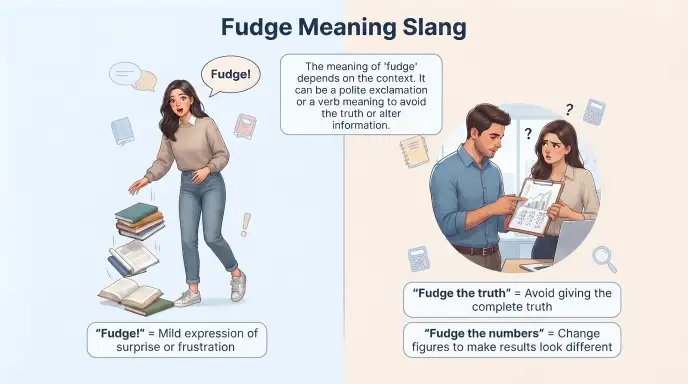
In slang, fudge is a mild substitute for a stronger swear word. People use it to express surprise, frustration, disappointment, or annoyance without using offensive language.
Example
“Fudge! I forgot my wallet.”
Another Meaning
Fudge can also mean avoiding a direct answer or handling something in an unclear or dishonest way.
Example
“He tried to fudge the numbers.”
Why Do People Say Fudge?
To Avoid Swearing
Many people use fudge because it sounds less offensive than stronger curse words.
Example
“Fudge, I missed the bus.”
To Stay Polite
Parents, teachers, and children often prefer fudge in family friendly conversations.
Example
“Oh, fudge. I dropped my phone.”
To Show Frustration
People also use fudge when something unexpected happens.
Example
“Fudge, I deleted the wrong file.”
Common Slang Meanings of Fudge
A Mild Exclamation
Meaning
Used to express surprise, disappointment, or frustration.
Example
“Fudge! I can’t believe I lost my keys.”
A Family Friendly Substitute
Meaning
A safer alternative to stronger swear words.
Example
“Aw, fudge. We were so close to winning.”
Avoiding the Truth
Meaning
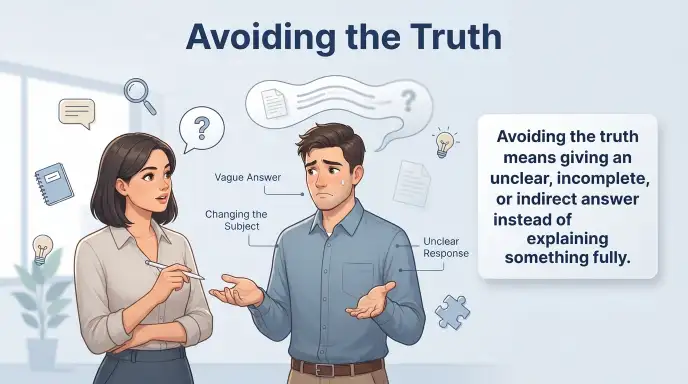
To hide facts or avoid giving a clear answer.
Example
“He tried to fudge the details.”
Changing Information
Meaning
To adjust or alter facts to make something look better.
Example
“They were accused of fudging the results.”
Is Fudge a Bad Word?
Usually No
Fudge is generally considered a polite expression and is acceptable in most casual conversations.
Context Still Matters
When used as a verb, fudge can suggest dishonesty or avoiding the truth.
Example
“The report was fudged before it was published.”
Where Is Fudge Commonly Used?
Everyday Conversations
People use fudge after making small mistakes or reacting to unexpected situations.
Example
“Fudge! I left the lights on.”
Social Media
Many users type fudge to keep their posts friendly and avoid offensive language.
Example
“Fudge, that didn’t go as planned.”
Movies and TV Shows
Family friendly shows often use fudge instead of stronger language.
Example
“Fudge! We’re running late.”
At School
Students and teachers sometimes use fudge because it is considered polite.
Example
“Fudge, I forgot my homework.”
Examples of Fudge Slang in Everyday Conversations
Conversation After Making a Mistake
Emma: Did you bring your notebook?
Jake: Fudge! I left it at home.
Conversation at Work
Manager: Is the report finished?
Employee: Fudge. I saved the wrong version.
Conversation While Playing a Game
Alex: We almost won.
Ryan: Fudge! We were so close.
Conversation Online
Person A: My internet stopped during the meeting.
Person B: Fudge. That must have been frustrating.
Common Ways People Use Fudge
Fudge!
Meaning
A quick exclamation showing surprise, disappointment, or frustration.
Example
“Fudge! I spilled my coffee.”
Oh, Fudge
Meaning
A softer way to react to an unexpected problem.
Example
“Oh, fudge. I missed my train.”
Aw, Fudge
Meaning
Used when something disappointing happens.
Example
“Aw, fudge. The tickets are sold out.”
Fudging the Numbers
Meaning
Changing figures or information to make results look better than they really are.
Example
“The company was accused of fudging the numbers.”
Fudge the Truth
Meaning
Avoiding the complete truth or giving misleading information.
Example
“He tried to fudge the truth during the interview.”
Similar Slang Words
Darn
Meaning
A polite replacement for a stronger swear word.
Example
“Darn, I forgot my umbrella.”
Dang
Meaning
A mild expression of annoyance or surprise.
Example
“Dang, that was close.”
Shoot
Meaning
A friendly way to express disappointment.
Example
“Shoot. I missed the deadline.”
Rats
Meaning
An old fashioned way to show frustration.
Example
“Rats. We took the wrong road.”
Oops
Meaning
Used after making a small mistake.
Example
“Oops. I sent the message to the wrong person.”
When Should You Use Fudge?
Family Conversations
Fudge is suitable for conversations with children and family members.
Friendly Chats
It works well in casual conversations with friends.
Online Posts
Many people use fudge in social media posts to keep their language polite.
Lighthearted Situations
It is best used for small mistakes or everyday frustrations rather than serious problems.
When Should You Avoid Using Fudge?
Formal Writing
Words like “mistake,” “error,” or “incorrect” are more appropriate in professional writing.
Serious Discussions
If the topic is important, using clear and direct language is usually a better choice.
Business Reports
Avoid slang expressions in reports, presentations, and official documents.
Tips for Understanding Fudge Slang
Pay Attention to Context
The meaning changes depending on if fudge is used as an exclamation or as a verb.
Listen to the Speaker’s Tone
A cheerful tone usually means it is simply a mild reaction, while a serious tone may suggest dishonesty when someone says “fudge the facts.”
Learn Common Expressions
Phrases like “Oh, fudge,” “Fudging the numbers,” and “Fudge the truth” are among the most common uses.
Common Mistakes About Fudge Slang
Thinking It Only Means Candy
Meaning
Although fudge is a popular sweet dessert, it also has several slang meanings in everyday English.
Example
“When he said ‘Fudge!’, he was expressing frustration, not talking about candy.”
Assuming It Is Always an Exclamation
Meaning
Fudge can also be used as a verb that means avoiding the truth or changing information.
Example
“They tried to fudge the facts.”
Using It in Formal Writing
Meaning
Fudge is informal and works best in casual conversations.
Example
“In a business report, use ‘adjusted’ or ‘misrepresented’ instead of ‘fudged’ when appropriate.”
Fudge in British and American English
British English
In British English, fudge commonly means avoiding a clear answer or dealing with a problem in an unclear way. It is also used as a mild exclamation.
Example
“The committee tried to fudge the issue.”
American English
In American English, fudge is often heard as a polite replacement for a stronger swear word. It may also mean changing facts or figures.
Example
“Fudge! I forgot my phone.”
Quick Summary
| Expression | Meaning |
| Fudge! | A mild expression of surprise or frustration |
| Oh, Fudge | A polite reaction to a mistake or problem |
| Fudge the Truth | Avoid telling the complete truth |
| Fudge the Numbers | Change figures to make results look better |
| Fudged | Changed or handled something dishonestly or unclearly |
Frequently Asked Questions
What does fudge mean in slang?
In slang, “fudge” is a mild substitute for a stronger swear word. It can also mean avoiding the truth or changing information.
What does fudging mean in slang?
Fudging means avoiding the truth or changing facts to make something seem different.
Is fudge a rude word?
No. Fudge is a mild, family-friendly expression often used instead of stronger swear words.
What is the meaning of fudge?
Fudge can mean a sweet candy, a mild substitute for a swear word, or changing facts or avoiding a direct answer.
What is the other meaning of fudge?
Besides being a sweet dessert, fudge can also mean a polite substitute for a swear word or changing the truth or facts.
Why do people say fudge instead of swearing?
People say “fudge” to express surprise or frustration without using offensive language.
What does “fudge the numbers” mean?
“Fudge the numbers” means changing or manipulating figures to make results appear better, more accurate, or different from the truth.
Can fudge have more than one meaning?
Yes. Depending on the context, “fudge” can refer to a sweet treat, a polite exclamation, or an action that involves avoiding the truth or altering information.
Conclusion
The slang meaning of fudge depends on the context. Most commonly, it is a polite way to express surprise, disappointment, or frustration without using strong language. As a verb, it can also mean avoiding the truth or changing facts to make something appear better. Understanding these meanings will help you recognize the word in conversations, social media, movies, and everyday English. With a little practice, you will know exactly what people mean when they say “Fudge!” or talk about “fudging the truth
Get more articles!
Slang in the 1950s: Popular Words, Meanings, and Everyday Uses
Common Irish Slang Words and Meanings

Hi, I’m Ethan Carter. I write easy-to-read articles about slang, texting abbreviations, and digital communication. My goal is to make modern English simple and useful for students, professionals, and anyone curious about internet language.