Learn what fronting slang means, why people use it, and how it appears in everyday conversations with simple explanations and real-life examples.
Have you ever heard someone say, “Stop fronting,” and wondered what they meant? This slang term appears in everyday conversations, music, social media, and online discussions. Depending on the situation, it can describe someone who is pretending, showing off, or hiding their true feelings.
Understanding what is fronting slang can help you follow modern English conversations and recognize how the word is used in different contexts. This guide explains the meaning of “fronting,” where it came from, and how people use it today with simple examples.
What Does Fronting Mean in Slang?
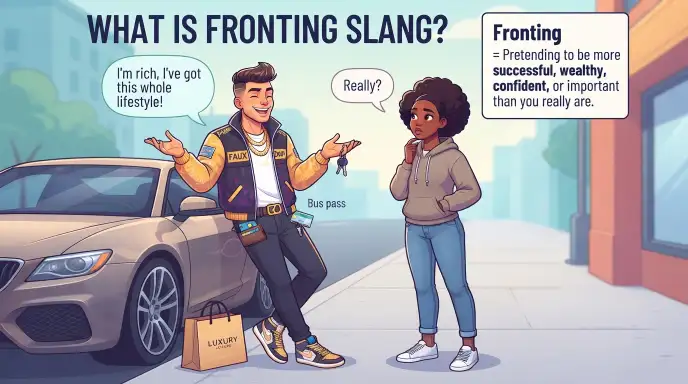
In slang, “fronting” means pretending to be something you are not, acting in a fake way, or trying to impress others by giving a false image. It can also mean hiding your real feelings or pretending that everything is fine.
People often use the word when they think someone is not being honest about themselves.
Simple Meaning of Fronting
Fronting means pretending, acting fake, or trying to impress others with a false image.
Example:
“He’s fronting because that isn’t really his car.”
Is Fronting a Positive or Negative Word?
In most situations, “fronting” has a negative meaning. It suggests that someone is not being genuine or honest.
However, friends may sometimes use it jokingly in casual conversations.
Where Did Fronting Come From?
The slang term “fronting” has been used for many years in African American Vernacular English (AAVE) and later became popular through hip hop music, movies, and television.
As social media grew, more people started using the word in captions, comments, and everyday conversations.
Connection to Hip Hop Culture
Many artists used the word “fronting” in songs to describe people who pretend to be wealthier, stronger, or more successful than they really are.
Popularity on Social Media
Today, the term appears on TikTok, Instagram, X, YouTube, and other online platforms where people discuss everyday situations.
How People Use Fronting in Everyday Conversations
The meaning depends on the situation, but it usually relates to pretending or hiding the truth.
Pretending to Be Rich
Someone may accuse another person of fronting if they pretend to have more money than they actually do.
Example:
“He’s fronting with those expensive clothes.”
Hiding Feelings
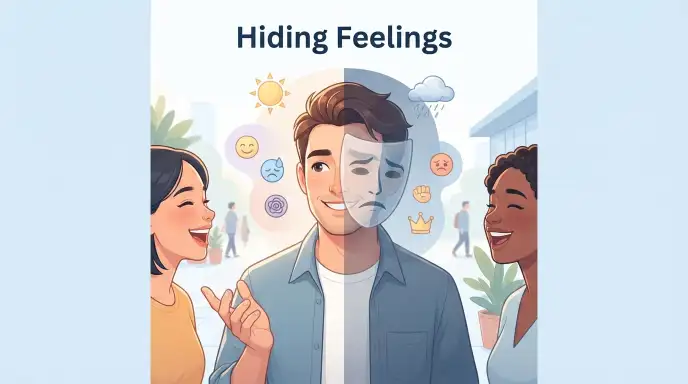
Sometimes the word describes someone who acts like they are happy even when they are upset.
Example:
“She’s fronting because she doesn’t want anyone to worry.”
Showing Off
People also use “fronting” when someone tries too hard to impress others.
Example:
“Stop fronting and just be yourself.”
Online Conversations
Common expressions include:
- Stop fronting.
- Why are you fronting?
- Don’t keep fronting.
- He’s always fronting
Common Situations Where People Use Fronting
The word “fronting” is common in informal English. People usually use it when they think someone is pretending, hiding the truth, or trying to impress others with a false image.
Between Friends
Friends sometimes use “fronting” in a playful way when someone is not being completely honest.
Example:
“Stop fronting and tell us the truth.”
On Social Media
The word often appears in comments, captions, and online discussions when people believe someone is creating a fake image.
Example:
“She’s just fronting for likes.”
In Music
Many hip hop songs use the word to describe people who pretend to have more money, confidence, or success than they actually do.
Example:
“The song talks about people fronting instead of being themselves.”
Everyday Conversations
People also use the word when someone is hiding their real feelings or pretending everything is fine.
Example:
“I know you’re fronting because you don’t want anyone to worry.”
Words Similar to Fronting
| Word | Meaning | Difference |
| Pretending | Acting like something is true when it is not | Closest meaning |
| Faking | Not being genuine | More direct than fronting |
| Bluffing | Trying to make others believe something false | Often used in games or negotiations |
| Showing Off | Trying to impress other people | Focuses on getting attention |
| Flexing | Showing wealth or success | Can be positive or negative depending on the situation |
| Capping | Lying or exaggerating | Popular modern internet slang |
When to Use Fronting
Using the word in the right situation makes your English sound more natural.
Casual Conversations
“Fronting” works best when talking with friends or people who understand modern slang.
Example:
“Why are you fronting?”
Social Media
The word is common in captions, comments, and short videos.
Example:
“Don’t keep fronting online.”
Talking About Someone’s Behavior
People often use “fronting” when describing actions rather than appearance.
Example:
“He was fronting to impress everyone.”
When Not to Use Fronting
Although the word is common in casual English, it is not appropriate in every situation.
Professional Communication
Business emails, meetings, and workplace conversations usually require formal language.
Instead of saying:
“She’s fronting.”
You can say:
“She is not being honest.”
Academic Writing
School essays, research papers, and formal reports should usually avoid slang unless the topic is slang or everyday language.
Fronting in Popular Culture
Hip Hop Music
The word “fronting” became widely known through hip hop music, where artists used it to describe people who pretend to have more money, status, or confidence than they really do.
Social Media
Today, “fronting” is common on platforms like TikTok, Instagram, and X. People often use it when discussing fake lifestyles, exaggerated stories, or unrealistic online images.
Everyday English
Although the word started as slang, many English speakers now use “fronting” in casual conversations to describe someone who is pretending or hiding their true feelings.
Example Sentences Using Fronting
- “Stop fronting and be yourself.”
- “He’s fronting because he wants to impress everyone.”
- “Don’t keep fronting about your new phone.”
- “She was fronting even though she was upset.”
- “I knew he was fronting from the beginning.”
- “Why are you fronting with your friends?”
- “They were fronting to look successful.”
- “Everyone could tell he was fronting.”
Common Mistakes to Avoid
Using Fronting in Formal Writing
Choose standard English instead of slang when writing business emails, reports, or academic papers.
Assuming Every Use Means Lying
Sometimes “fronting” refers to hiding emotions or trying to appear confident, not necessarily telling a direct lie.
Using Fronting in the Wrong Context
The word is best used in informal conversations. It may confuse people who are unfamiliar with modern slang
Frequently Asked Questions
What does fronting mean in slang?
In slang, “fronting” means pretending, acting fake, hiding the truth, or trying to impress others with a false image.
Is fronting a negative word?
Most of the time, yes. It usually suggests that someone is not being honest or genuine.
Where did the slang word fronting come from?
The term became popular through African American Vernacular English (AAVE) and later spread through hip hop music, movies, and social media.
Is fronting still used today?
Yes. Many people still use the word in casual conversations, music, and online discussions.
Can fronting mean hiding your feelings?
Yes. In some situations, “fronting” means pretending everything is fine even when someone feels upset or worried.
Conclusion
Understanding what is fronting slang helps you recognize a common expression used in music, social media, and everyday conversations. In most situations, “fronting” means pretending, acting fake, hiding your true feelings, or trying to impress others with a false image. Learning when and how to use this slang will help you understand modern English while choosing the right words for different situations.
Discover more!
Trill Slang Meaning: What It Means and How People Use It Today

Hi, I’m Liam Carter, a slang language enthusiast and content writer. I research internet slang, social media terms, texting abbreviations, and online expressions to help readers understand modern English. I enjoy breaking down trending slang into simple, easy-to-read explanations with real-world examples, making online communication clearer and more enjoyable.