
Have you ever heard someone say “¡Qué chulo!” while watching a Spanish movie or talking with native Spanish speakers? If you’re learning Spanish, this word may seem confusing because its meaning changes depending on the country and the situation.
The phrase “chulo in Spanish slang” is one of the most searched Spanish slang terms because it has several meanings. In Spain, it is often used as a compliment, while in some Latin American countries it can describe someone’s attitude or even have negative meanings.
In this guide, you’ll learn what chulo means in Spanish slang, where it is commonly used, how its meaning changes across Spanish-speaking countries, and how to use it naturally in conversations.
What Does Chulo Mean in Spanish Slang?
The meaning of chulo depends on where the speaker is from.
In Spain, chulo usually means “cool,” “nice,” “awesome,” or “beautiful.” It is often used to compliment people, clothes, places, or objects.
Examples:
- “¡Qué coche más chulo!”
- “Your new jacket is really chulo.”
- “That restaurant looks chulo.”
In many everyday conversations in Spain, the word has a positive meaning.
Why Does Chulo Have Different Meanings?
Spanish is spoken in more than 20 countries, and slang naturally changes from one region to another.
Just like English slang differs between the United States, the United Kingdom, Australia, and Canada, Spanish slang also varies.
Because of these regional differences, the meaning of chulo depends on:
- The country
- The speaker
- The conversation
- The tone of voice
Learning these differences helps you avoid misunderstandings when speaking Spanish.
Chulo Meaning in Spain
In Spain, chulo is mostly a compliment.
People often use it to describe something attractive, stylish, interesting, or enjoyable.
Examples include:
- A beautiful apartment
- A fashionable outfit
- A fun vacation
- A nice gift
- A cool phone
Example sentences:
- “Ese reloj está muy chulo.”
- “Your backpack looks really cool.”
- “What a chulo place to visit.”
You will hear this meaning frequently in casual conversations across Spain.
Chulo Meaning in Mexico
In Mexico, chulo often means:
- Cute
- Pretty
- Handsome
- Lovely
Parents may call their children “mi niño chulo” or “mi chula” as a loving nickname.
Friends may also use it to compliment someone’s appearance.
Examples:
- “Qué bebé tan chulo.”
- “Your dog is so chulo.”
- “That’s a chulo picture.”
This meaning is warm, friendly, and positive.
Chulo Meaning in Latin America
Outside Spain, the meaning becomes more varied.
Depending on the country, chulo may describe someone who is:
- Stylish
- Attractive
- Confident
- Arrogant
- Showy
In some places, it may even refer to someone acting overly proud or trying too hard to impress others.
For this reason, listening to the local context is important before using the word.
Is Chulo a Compliment?
Most of the time, yes.
When someone says:
“¡Qué chulo!”
They usually mean:
- That’s awesome.
- That’s beautiful.
- That’s really nice.
- That’s cool.
However, if someone says a person is “muy chulo” with a negative tone, it may suggest they are acting arrogant or overly confident.
Understanding the speaker’s tone makes a big difference.
Chulo vs Chula
Spanish adjectives change depending on gender.
Chulo
Used for masculine nouns.
Examples:
- Un chico chulo.
- Un coche chulo.
Chula
Used for feminine nouns.
Examples:
- Una chica chula.
- Una casa chula.
- Una mochila chula.
Both forms carry the same general meaning, but they match the gender of the noun they describe.
Where Is Chulo Commonly Used?
The word chulo is popular across many Spanish-speaking regions, but its meaning is not the same everywhere.
Spain
In Spain, chulo is one of the most common slang words for saying something is cool, stylish, or attractive.
Examples:
- “¡Qué chulo está este lugar!”
- “Your shoes are really chulo.”
Mexico
In Mexico, people often use chulo to describe someone or something that is cute, pretty, or adorable.
Examples:
- “Qué perro tan chulo.”
- “Your little brother is very chulo.”
Puerto Rico
In Puerto Rico, chulo is often used as a friendly compliment. It may describe someone who looks attractive or something that looks nice.
Other Spanish-Speaking Countries
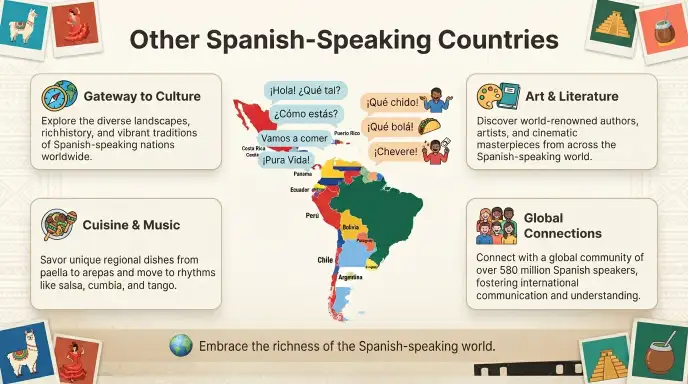
In countries such as Colombia, Peru, Chile, and Argentina, people may understand the word, but they often use different local slang instead. In some places, chulo may even have a negative meaning depending on the speaker and the situation.
Common Examples of Chulo in Spanish Slang
These examples show how native speakers use the word in everyday conversations.
Example 1
Person A: “Did you see Carlos’s new bike?”
Person B: “Sí, está muy chula.”
Meaning: It looks really cool.
Example 2
Person A: “How was your trip to Madrid?”
Person B: “Fue muy chula.”
Meaning: It was awesome.
Example 3
Person A: “What do you think of my new jacket?”
Person B: “¡Está muy chula!”
Meaning: It looks great.
Example 4
Person A: “Your puppy is adorable.”
Person B: “Gracias. Es muy chulo.”
Meaning: It is very cute.
Similar Spanish Slang Words
If you’re learning Spanish, these words have meanings similar to chulo in some situations.
| Word | Common Meaning |
| Guay | Cool, awesome (Spain) |
| Genial | Great, fantastic |
| Bacán | Cool (Chile, Peru, Colombia) |
| Padre | Cool (Mexico) |
| Chévere | Awesome (Caribbean countries) |
| Bonito | Pretty, beautiful |
| Lindo | Cute, lovely |
Learning these alternatives helps you understand conversations from different Spanish-speaking countries.
When Should You Avoid Using Chulo?
Although chulo is usually harmless, there are situations where another word is a better choice.
Avoid using it when:
- You are writing formal emails.
- You are speaking in business meetings.
- You are giving academic presentations.
- You are unsure of the local meaning.
In formal Spanish, words like excelente, bonito, hermoso, or maravilloso are usually more appropriate.
Is Chulo Offensive?
Usually, no.
In Spain, the word is almost always positive.
However, in some countries, calling someone chulo with a certain tone may suggest they are:
- Arrogant
- Cocky
- Showing off
- Acting superior
Because of this, paying attention to the speaker’s tone and the local culture is important before using the word yourself.
Why Is Chulo Popular?
There are several reasons why this slang word remains popular.
- It is short and easy to remember.
- It works in many casual conversations.
- Native speakers use it every day.
- It appears in Spanish TV shows, movies, songs, and social media.
- It is one of the first slang words many Spanish learners encounter.
Its flexibility makes it a useful addition to your everyday Spanish vocabulary.
Frequently Asked Questions
What does chulo mean in Spanish slang?
In Spain, chulo usually means cool, nice, stylish, or awesome.
Mexican Spanish often uses chulo to describe someone as cute or handsome.
Depending on the country and context, chulo can also describe someone who is arrogant or showing off.
Is chulo a good or bad word?
Most of the time, it is a positive word. However, in certain regions and situations, it can have a negative meaning if it refers to someone acting proud or overly confident.
What is the difference between chulo and chula?
Chulo is used with masculine nouns, while chula is used with feminine nouns. Both generally have the same meaning, but they must match the gender of the noun they describe.
Examples:
- Un coche chulo.
- Una casa chula.
Is chulo used in Spain?
Yes. Chulo is one of the most common slang words in Spain. People use it daily to describe something they think is cool, beautiful, or stylish.
Is chulo used in Mexico?
Yes. In Mexico, chulo often means cute, pretty, lovely, or handsome. It is commonly used as a compliment for children, pets, people, or attractive objects.
Can I use chulo in formal conversations?
It is better to avoid using chulo in formal settings. Since it is a slang word, standard Spanish words like bonito, excelente, hermoso, or fantástico are more appropriate in professional or academic situations.
Tips for Using Chulo Naturally
If you want to sound more like a native Spanish speaker, keep these tips in mind:
- Learn the local meaning before using the word.
- Use it mainly in casual conversations.
- Listen to how native speakers use it in different countries.
- Pay attention to the speaker’s tone.
- Don’t assume it has the same meaning everywhere.
The more Spanish you hear through conversations, videos, and movies, the easier it becomes to understand when chulo is the right word.
Common Mistakes to Avoid
Many Spanish learners make these mistakes:
Assuming the Meaning Is the Same Everywhere
The biggest mistake is thinking chulo always means “cool.” Its meaning changes from one country to another.
Using It in Formal Writing
Because chulo is slang, it is not suitable for formal emails, business documents, or school assignments.
Ignoring Context
The same word can sound like a compliment in one conversation and an insult in another. Always consider the situation and the speaker’s tone.
Confusing Chulo with Similar Words
Words like guay, bonito, lindo, and chévere can sometimes express similar ideas, but they are not always interchangeable. Each has its own regional usage and meaning.
Final Thoughts
Understanding the meaning of chulo in Spanish slang helps you communicate more naturally with native speakers. While it commonly means “cool,” “cute,” or “stylish,” its exact meaning depends on the country, the context, and the speaker’s tone.
In Spain, chulo is a popular compliment for people, places, and objects.
Mexican Spanish often uses it to mean cute or handsome.
In some other regions, it may describe someone who is acting arrogant or showing off.
By learning these regional differences and using the word in the right situations, you’ll avoid misunderstandings and sound more confident when speaking Spanish. if you’re traveling, studying the language, or chatting with native speakers, knowing how to use chulo correctly is a valuable step toward mastering everyday Spanish.
Read more about!
Spanish Slang Book: Common Words and Phrases
Funny Canadian Slang: 35 Words and Phrases
Slang for Angry: Popular English Expressions

Hi, I’m Liam Carter, a slang language enthusiast and content writer. I research internet slang, social media terms, texting abbreviations, and online expressions to help readers understand modern English. I enjoy breaking down trending slang into simple, easy-to-read explanations with real-world examples, making online communication clearer and more enjoyable.